


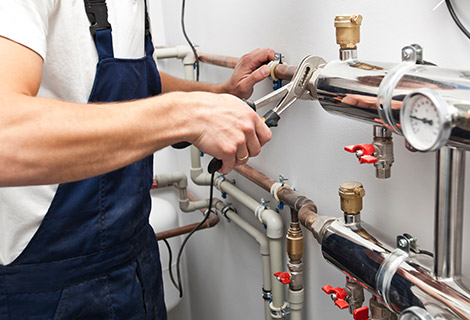




In any high-demand facility, whether a hospital, food processing plant, hotel, or manufacturing operation, the boiler is a key driver of operational efficiency. Its performance directly affects production schedules, environmental control, sanitation, and comfort. A stable boiler plant ensures consistent process temperatures, supports reliable HVAC operation, and maintains the throughput needed to meet demand. When the boiler operates efficiently, energy consumption decreases, component stress is reduced, and system reliability improves across every connected process.
Even small deviations in boiler performance, such as reduced heat transfer, uneven steam pressure, or water chemistry drift, can ripple through facility operations and lower efficiency. Optimizing the boiler is therefore a critical strategy for facility managers and engineers who need to sustain uptime, safety, and cost control.
Key Risks and Potential Causes of Failure
While a well-maintained boiler drives efficiency, certain issues can compromise performance:
- Scale and fouling reduce heat transfer efficiency and increase fuel use.
- Corrosion and oxygen pitting weaken tubes and pressure parts.
- Control or sensor drift affects water levels, pressure regulation, and flame monitoring.
- Mechanical fatigue in burners, pumps, seals, or refractory from repeated thermal cycling or start-stop operation.
- Leaks or cracks at joints, welds, or gaskets.
- Noncompliance with emissions or safety device regulations, which can lead to downtime or penalties.
Addressing these risks proactively prevents costly disruptions, protects product quality, and preserves energy efficiency.
Keeping Your Boiler Operating at Peak Efficiency
Maximizing operational efficiency requires a structured approach that goes beyond reactive maintenance. Key strategies include:
Operational Monitoring
Tracking flue gas temperatures, steam pressure, and combustion efficiency allows engineers to identify early signs of performance drift. Detecting these trends early prevents efficiency losses from compounding and minimizes unplanned interruptions.
Water Chemistry Control
Maintaining proper pH, conductivity, hardness, and dissolved oxygen levels protects heat-transfer surfaces from scaling and corrosion. Even minor deviations can reduce thermal efficiency, increase stress on components, and accelerate wear in downstream systems.
Combustion and Draft Optimization
Fine-tuning burners and maintaining proper draft ensures fuel is burned efficiently and heat is transferred effectively. Small improvements in combustion control reduce energy losses and lessen thermal stress on boiler components.
Control and Sensor Calibration
Regular calibration of level controllers, pressure transmitters, and flame detectors preserves operational reliability. Sensor drift can silently reduce efficiency or trigger unnecessary shutdowns, so proactive adjustment protects both safety and performance.
Scheduled Inspections and Preventive Maintenance
Routine inspections of tubes, refractory, valves, pumps, and controls reveal early wear patterns before they affect operations. A comprehensive preventive maintenance plan ensures components are performing optimally and reduces the risk of cascading system impacts.
Targeted Upgrades
Replacing worn components and integrating retrofits such as economizers, variable-speed pumps, or advanced control systems restores or enhances efficiency, supporting predictable heat delivery and stable system operation.
By combining trend monitoring, strict water chemistry control, combustion tuning, sensor calibration, inspections, and upgrades, facilities maintain boiler performance as a driver of operational efficiency rather than a source of risk.
Conclusion
Boilers sustain operational efficiency, safety, and regulatory compliance across critical facility systems. Regular maintenance is essential to protect uptime, efficiency, and safety, and to prevent small issues from escalating into costly failures. Even minor efficiency losses or undetected water chemistry deviations can reduce heat transfer, increase fuel consumption, and accelerate component wear. Proactive assessment, including inspection of tubes, refractory, controls, and water treatment systems, ensures reliable performance, protects operational continuity, and extends the lifespan of the boiler. The boiler is the backbone of your facility, and it’s a must to take good care of it!
Contact ATI Technical Services for a preventative maintenance plan that safeguards your boiler and your facility’s critical operations.

Contact Us Today for a Custom Service Plan
Call us at 631-761-9268 or fill out the form, and one of our experts will get back to you shortly.